
The Thrill of Risk: Understanding Gamblers’ Motivation
At the heart of casino gaming lies a fundamental human attraction to risk and uncertainty. Many individuals are drawn to the thrill of placing bets, as it taps into their desire for excitement and the possibility of significant rewards. This phenomenon often stems from a psychological desire for control over one’s circumstances, even in situations as unpredictable as gambling. The adrenaline rush accompanying each spin of the roulette wheel or turn of a card creates a powerful emotional experience that many find irresistible. Some players may even seek out bookies not on gamstop in their pursuit of the ideal betting opportunities.
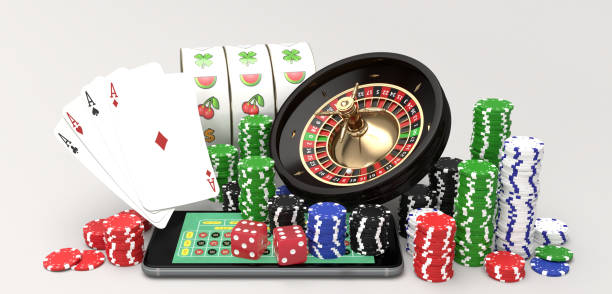
Moreover, the environment of casinos is meticulously designed to heighten this sense of thrill. Bright lights, engaging sounds, and the buzzing atmosphere all contribute to an overwhelming sensory experience that can cloud judgment and enhance the excitement of the game. Understanding this psychological interplay between environment and risk can elucidate why players continue to chase that elusive jackpot.
The Role of Cognitive Biases in Gambling
Cognitive biases play a significant role in how players perceive their chances of winning at the casino. One prevalent bias is the “gambler’s fallacy,” where individuals believe that past events will influence future outcomes, despite each game being independent. For example, a player may think that a particular slot machine is “due” for a payout after a series of losses, leading them to invest more money based on faulty reasoning.
Additionally, the illusion of control is another cognitive bias that impacts gamblers. Many players believe they can influence the outcome of games through their choices, such as the timing of when to place bets. This belief can lead to greater engagement with gambling, as players feel empowered, even when the odds are stacked against them. Such biases highlight the complexities of human psychology in gambling scenarios.
The Impact of Emotions on Betting Behavior
Emotions significantly influence gambling behavior, often leading to irrational decision-making. When players experience heightened feelings—whether excitement after a win or frustration after a loss—they may alter their betting strategies. For instance, a gambler who has just experienced a significant win may feel invincible and continue betting larger amounts, despite the real risks associated with such behavior.
Conversely, negative emotions can also prompt poor choices. Players in a negative emotional state may chase losses, hoping to recover their money by taking greater risks. Understanding these emotional drivers is crucial for maintaining a healthy approach to gambling, as they can override logical thinking and lead to harmful patterns of behavior.
The Social Aspects of Casino Gaming
The social dimension of gambling is another key element that affects player psychology. Casinos often function as social hubs where individuals gather to enjoy not just the games, but the company of others. This communal aspect can enhance the overall experience of gambling, making it more enjoyable and engaging.
Social interactions at the casino can also create a sense of camaraderie among players, fostering a shared excitement that fuels their desire to continue playing. However, this environment can also encourage risky behaviors, as individuals may feel PRESSURE to follow group dynamics, leading them to bet more than they initially intended. Understanding the social psychology of casino gaming is essential for recognizing both the positive and negative impacts of these interactions.
Maintaining Balance: Safe Gambling Practices
While understanding the psychology behind winning at the casino offers insights into player behavior, it is equally important to emphasize the necessity of responsible gambling practices. Players should strive to establish clear limits on their spending and time spent in casinos to mitigate the risks associated with gambling. Awareness of one’s emotional state and cognitive biases can also aid players in making more informed decisions.
Furthermore, recognizing when to step away, whether after a win or a loss, is critical for maintaining a healthy relationship with gambling. Resources and support systems are available for those who feel they may be losing control, ensuring a safer and more enjoyable gambling experience.